A beach toy box decorated with hand-painted bees has been installed following the Bondi Beach tragedy, marking a community-led tribute connected to the loss of a local schoolgirl.
In the aftermath of the Bondi Beach massacre, bees emerged as a shared symbol of remembrance for Matilda, a 10-year-old girl whose death prompted widespread mourning. Bee-themed items appeared at Bondi and in surrounding areas as residents sought simple ways to acknowledge the loss.
Photo Credit: ProductiveTangerine2935/Facebook
A Tribute At La Perouse Beach
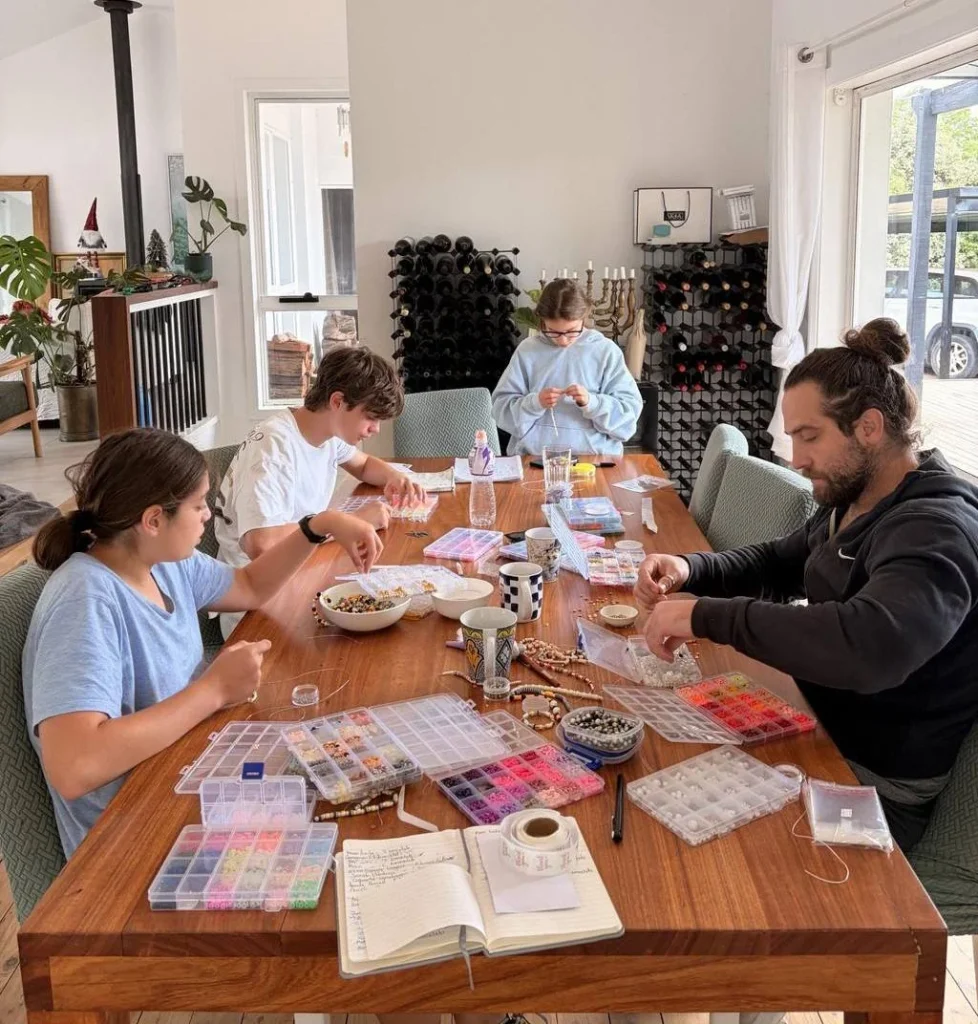
A Randwick local, who chose not to be named, built a reusable beach toy box and placed it at La Perouse Beach, near the school Matilda attended. The box was painted with bees by the builder’s grandsons, linking the tribute to both family involvement and Matilda’s nickname.
The builder had planned to create a beach toy library before the tragedy, later choosing the bee design after observing similar tributes appear in the Bondi area.
Photo Credit: ProductiveTangerine2935/Facebook
From Storm Clean-Up To Shared Resource
The beach toy box initiative began after dozens of toys were collected from the sand following a summer storm, when items were left behind and at risk of being washed into the sea. Rather than discarding them, the toys were redistributed through shared beach boxes.
Toy boxes are now located at La Perouse, Coogee and Malabar, with further installations planned.
Photo Credit: ProductiveTangerine2935/Facebook
Community Reaction
The tribute drew strong support within local online groups, with commenters describing the gesture as thoughtful and meaningful. Responses highlighted appreciation for the environmental focus, the involvement of children, and the way the tribute honoured Matilda without formal signage.
The bee-painted toy box remains at La Perouse Beach as both a practical community resource and a quiet memorial, reflecting how the Bondi Beach tragedy continues to be acknowledged through small, collective actions.
Bondi Beach Playground, a familiar place for families beside Sydney’s most famous stretch of sand, has fallen silent after being struck by gunfire during a deadly attack nearby, leaving parents and children locked out. At the same time, the community comes to terms with the violence that unfolded in full view of the play area.
The playground sits next to Bondi Park and within sight of the footbridge where a mass shooting took place during a Hanukkah gathering on 14 December, leaving 15 people dead and many others injured.
Playground Closed in the Heart of Summer
At a time when Bondi Beach is usually filled with holiday crowds, surfers and families, the fenced-off Bondi Beach Playground has stood empty throughout the school holidays. Multiple bullet holes were found in the playground fence following the attack, prompting its immediate closure.
Waverley Council stated the playground was shut temporarily to allow urgent repairs and cleaning to be carried out. Signages placed at the site said the closure was also out of respect for the local community, many of whom were directly affected by the violence.
Repairs to the damaged fencing began within days, though further work has continued behind closed gates.
A Site of Grief and Reflection
Scenes of panic as shots rang out near Bondi Park, with families fleeing the area and shielding children. The playground, located just metres from where people ran for safety, became an unintended witness to the chaos.
In the days that followed, sections of the playground fence were used as a quiet remembrance. Flowers and handwritten tributes were left inside the closed play area, reflecting the deep shock felt across the suburb.
Community leaders and residents told local media that reopening the playground too quickly would have felt jarring for families still processing the events.
Security and the Wider Impact
The shooting sent shockwaves well beyond Bondi. Police increased security at major public events across Sydney, including sporting matches, in the weeks after the attack. Authorities described the incident as targeted violence linked to a religious gathering, though they urged the public to remain calm and avoid speculation.
While Bondi Beach itself has remained open, with visitors returning to the shoreline, the closure of Bondi Beach Playground has served as a visible reminder of what happened. The empty swings and slides had changed the area’s mood, even as summer continued around it.
A special honours list has been approved to acknowledge acts of courage and service associated with the Bondi Beach terror attack, with nominations now progressing through the national honours framework.
The establishment of the honours list follows the terrorist attack at Bondi Beach on 14 December 2025, which resulted in multiple deaths and injuries.
In the aftermath of the incident, emergency personnel and members of the public acted in dangerous conditions to support others, with several individuals stepping forward to assist despite personal risk. These actions formed the basis for formal recognition under the honours system.
Photo Credit: Annabel Osborne via Bondi Pavilion/Facebook
Purpose Of The Special Honours List
The honours list has been created to allow individuals to be formally considered for bravery or meritorious awards under the Australian Honours and Awards system, based on actions taken during and after the incident.
Australian Bravery Decorations apply to situations where individuals placed themselves in danger to protect others or property. The Order of Australia recognises Australians whose actions represent an outstanding contribution to the community at local, national or international levels.
Assessment And Nomination Process
Honours bodies responsible for administering bravery decorations and Order of Australia awards have begun considering existing nominations linked to the Bondi Beach incident.
The honours framework is nomination-driven and relies on submissions from the public. Community members who are aware of actions they believe warrant recognition are able to lodge nominations for formal consideration.
All nominations are reviewed before recommendations are made through the established honours process.
Community Response
Public reaction following the announcement has reflected broad support for recognising a wide range of actions taken during the incident. Attention has focused on both trained responders and civilians who assisted others while facing personal risk.
There has also been acknowledgement that numerous acts of courage occurred across the affected area, highlighting the collective nature of the response.
Bondi residents are pushing back against proposals to demolish the pedestrian bridge where the December 14 terror attack unfolded, arguing it represents decades of community history that shouldn’t be erased.
The footbridge connecting Campbell Parade to Bondi Beach became the centre of Australia’s deadliest terror attack in nearly three decades when alleged gunmen Sajid Akram, 50, and his son Naveed Akram, 24, opened fire on Jewish families in nearby Archer Park. The elder Akram was killed during the incident, whilst his son was critically wounded. Fifteen innocent people lost their lives in the attack.
In the immediate aftermath, calls emerged to tear down the structure. But as the community processes its grief, a growing chorus of locals insists the bridge should stay.
Community voices emerge
Photo credit: Google Street View
Social media posts have highlighted the strong sentiment among residents that the bridge represents Bondi’s identity and history. One resident described the footbridge as being about all people, emphasising that it serves everyone—lifesavers, emergency services, tourists, and locals of every background and belief. The post argued that destroying the bridge would be akin to destroying history itself.
For many Bondi residents, the footbridge isn’t just infrastructure. It’s woven into the fabric of their lives. One woman, who has used the bridge for seven decades, expressed her determination not to let the attackers destroy that history. Another local pointed out the bridge provides the most direct walking route from Dover Heights to the playground and recreation areas, urging the community not to let violence reshape their daily lives.
Alternative visions for the bridge
A man paying tribute at the footbridge where the shooters crossed (Photo credit: CC0/Sflite/Wikimedia Commons)
Some residents are proposing a middle path—transforming the bridge rather than removing it. Suggestions include painting it with bright murals featuring flowers and bees as a tribute to 10-year-old Matilda, known as Bee, the youngest victim of the attack. The idea would reclaim the space as a lasting message of hope and resilience.
Not everyone agrees with preservation. Some residents have argued the bridge serves no essential purpose and that its association with such horror makes it an unwelcome daily reminder. They have suggested building a new bridge in another location.
Local Officials’ Statement
Photo credit: Google Street View
Waverley Council has acknowledged the divided opinions but stressed no decision has been made about the footbridge’s future.
“Council is aware of a wide range of views regarding the future of the footbridge at Bondi. No decision has been made at this point, and our priority remains supporting those affected by the horrific attack,” Waverley Council announced.
The council emphasised that any decision would require extensive consultation. “Any decision making regarding the bridge will require consultation from the Jewish community, the Waverley community, the families of the victims and the NSW Government. As an interim measure, signage on the footbridge will remind passersby to be respectful.”
A community in recovery
Four days after the terror attack, the footbridge reopened to the public. Since then, mourners have walked across it, many stopping to look towards the park and beach. Flowers and candles have marked the spot, transforming a scene of violence into one of remembrance.
The debate reflects a broader question communities face after tragedy: whether to remove physical reminders of trauma or to reclaim and reshape them. Similar discussions have occurred globally following mass casualty events, with communities taking different approaches based on their unique circumstances and needs.
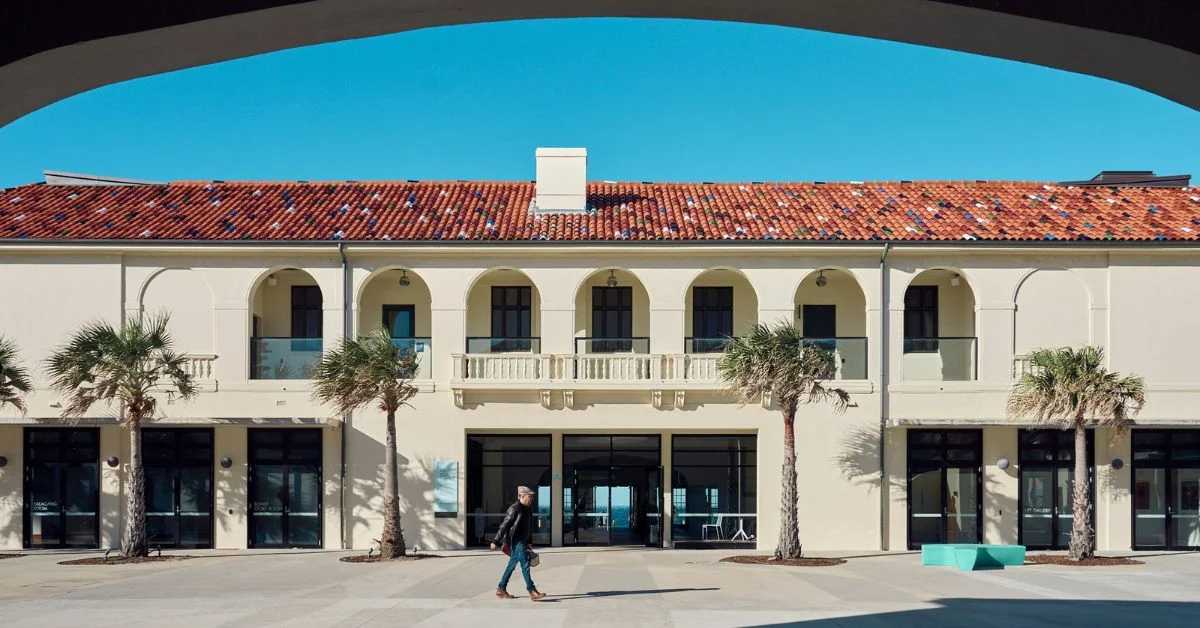
A community support hub has been established at the Yalagang Room in Bondi Pavilion, operating from 10:00 am to 4:00 pm until January 3 (excluding public holidays). The hub provides access to support services including NSW Health, Legal Aid NSW, Lifeline, and other organisations offering practical advice and wellbeing support to local businesses and community members affected by the attack.
For now, as the conversation continues, the Bondi footbridge stands—a contested symbol at the heart of a suburb grappling with loss, memory, and healing.
Bondi locals are still feeling the impact of the December 14 terror attack that shook this stretch of sand and community gatherings. In the weeks since the shooting at a Hanukkah celebration, police have intensified efforts to reassure residents and visitors while the investigation continues.
The NSW Joint Counter Terrorism Team has been leading inquiries into the mass shooting in Sydney’s east which left 15 people dead and dozens more injured. Police confirmed the incident was terror-related and have charged a 24-year-old man with multiple offences including murder and committing a terrorist act. The other alleged gunman was killed at the scene during the response.
Those who lost their lives range widely in age, and people across Sydney have continued to grieve family members and friends affected by the violence. Many of the injured remain in hospital, with ongoing care required for those still recovering.
NSW Police have also significantly bolstered what’s known as Operation Shelter — a long-running safety and public order operation — increasing patrols around Bondi Beach, places of worship, transport hubs and other community spaces. Officers say the aim is to provide visible reassurance and prevent hate-related incidents or unrest in the aftermath.
The tranquillity of Bondi’s everyday life has returned in many ways, but beneath it is a community still coming to terms with what happened on a night that should have been a celebration. Local businesses, beachgoers and residents have spoken about wanting to remember the victims while also showing resilience — a reminder that healing is as much about community spirit as it is about security.
As thousands gathered along Bondi’s shoreline on Christmas Day, the King’s annual message carried a reminder that courage isn’t always loud — and community strength often shows up quietly, when it’s needed most.
Delivering his Christmas message from Westminster Abbey, King Charles reflected on acts of bravery, compassion and service shown by everyday people over the past year. Rather than focusing on ceremony or politics, his address centred on resilience — the kind found in communities supporting one another through loss, conflict and uncertainty.
Photo Credit: The Royal Family Channel/YouTube
He spoke about courage in its many forms: emergency workers stepping forward in moments of danger, volunteers offering help without recognition, and ordinary people showing kindness in difficult circumstances. The message emphasised that these small, human acts are what ultimately bind societies together.
For beachside communities like Bondi, where visitors and locals mix year-round, the themes struck a familiar note. Whether it’s looking out for swimmers, supporting neighbours during tough times, or simply being present for others, the idea of shared responsibility resonated strongly.
King Charles also highlighted the importance of empathy, urging people to recognise their common humanity despite differences in background or belief. It was a call to pause, reflect and reconnect — not just at Christmas, but beyond it.
The address marked another step in the King shaping his own tone for the annual broadcast: less formal, more reflective, and focused firmly on the human stories that define the year just passed.
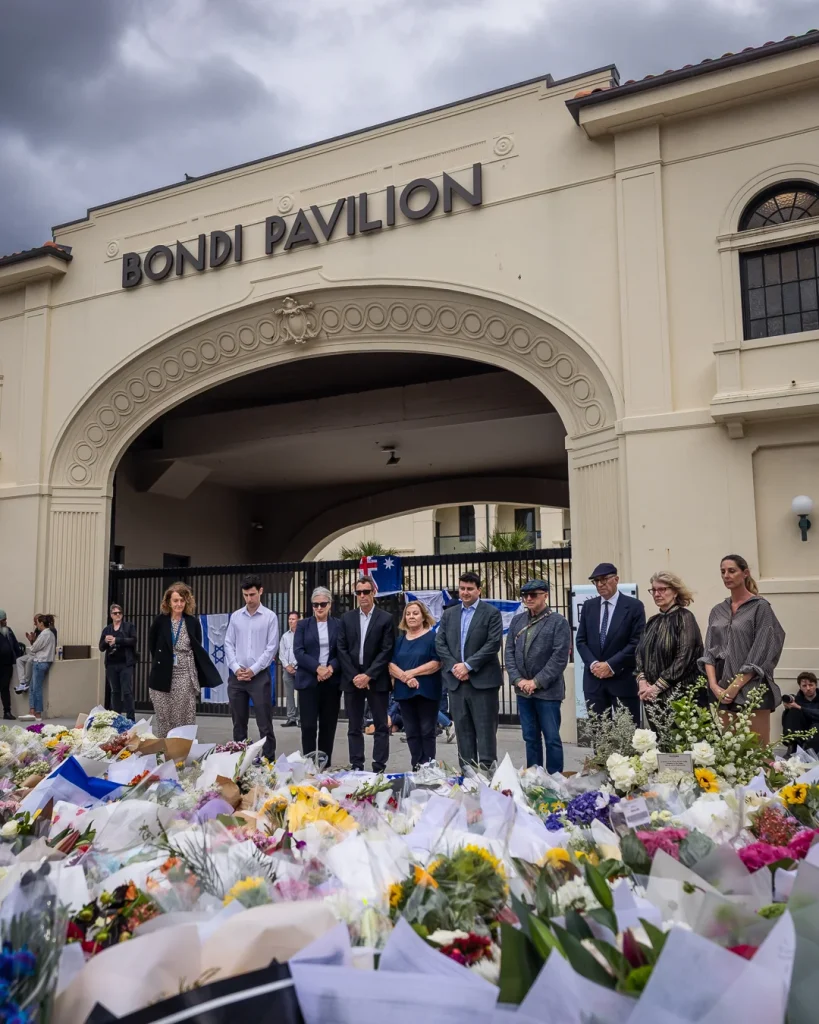
Community members gathered at Bondi Beach for a candlelight vigil honouring those lost in the recent attack, with Matilda, aged 10, remembered by her family and those in attendance.
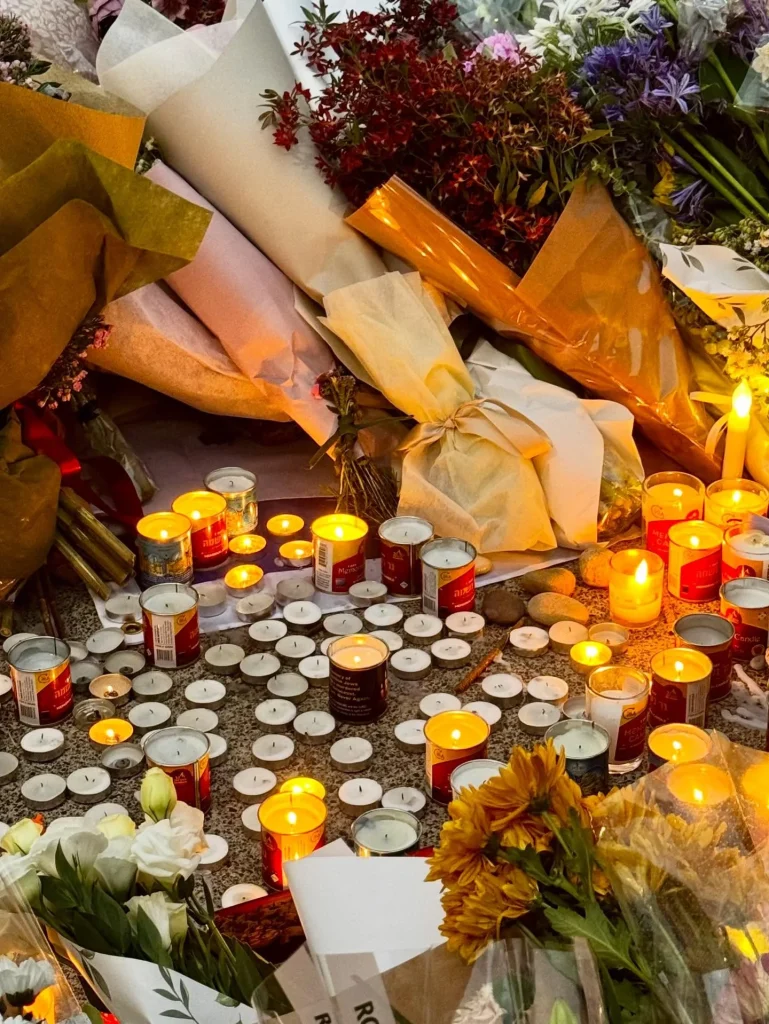
The vigil was held at Bondi Pavilion, overlooking Bondi Beach, where candles and floral tributes were placed throughout the forecourt. Community members gathered in silence, forming a shared memorial space that has continued to draw visitors in the days following the incident.
Attendance was recorded across 15 and 16 December 2025, with the pavilion becoming a central site for remembrance and reflection.
While the vigil honoured all victims, Matilda’s story featured prominently throughout the evening. Aged 10, she was the youngest victim of the attack. Her family migrated from Ukraine, and she was the first of their children born in Australia.
During the vigil, Matilda’s family addressed those gathered, speaking about her life and encouraging people to remember her by name. Her parents attended the vigil holding an image of their daughter while standing with other mourners.
Messages left at the memorial referred to Matilda’s kindness, her enthusiasm for learning, and the impact she had on those around her, including classmates and teachers.
Community Support and Donations
Support for Matilda’s family has extended beyond the vigil through a public fundraiser established by her language teacher. At the time of reporting, the fundraiser had received more than 13,000 donations, raising over $735,000, far exceeding its original target.
The fundraiser lists Matilda’s mother, Valentina Poltavchenko, as the beneficiary, with funds intended to assist the family during this period. Donation messages consistently expressed condolences and focused on remembering Matilda’s character and the effect she had on others.
As part of the evening’s observance, a menorah was lit near the floral tributes at Bondi Pavilion. Attendees were seen lighting candles, laying flowers and offering quiet support to one another throughout the vigil.
The memorial at Bondi Pavilion continues to receive flowers, candles and handwritten messages from members of the public. No further formal commemorative events have been announced at this stage.
Bondi Beach, known for sun, surf and family gatherings, became the site of the best and the worst of human nature when gunmen opened fire on more than a thousand people gathered for the first night of Hannukah near the shoreline, a moment that has resulted in the death of a child and 15 others and has drawn global attention to an act of courage that helped stop the violence.
Authorities said families had gathered at Bondi Beach on December 14 to mark the first night of Hanukkah when two gunmen began shooting into the crowd. Police later confirmed 16 people were killed, including a 10-year-old child, while more than 40 others were injured. Some victims were treated at the scene as emergency crews worked under intense pressure, while others were rushed to hospitals across Sydney.
Witnesses described scenes of panic as people ran for cover in multiple directions as gunfire echoed across the beach and nearby public areas. Emergency services arrived quickly, sealing off sections of the beach and surrounding streets as police secured the area. The scale of the response reflected the seriousness of the attack, which police later declared a terrorist incident.
The shooting is the deadliest mass attack in Australia since the Port Arthur massacre in 1996, a comparison that underscored the shock felt nationwide.
The Loss of a Child
Among the dead is a child whose death has deeply affected communities across Australia. Health officials confirmed the child died after being transferred to a children’s hospital, despite efforts by medical teams to save their life. Several other children were also injured and remain in the hospital, where doctors said they continue to receive care.
Community leaders said the death of a child has intensified the sense of loss felt across Sydney, particularly among families who had come to Bondi Beach expecting a peaceful evening by the sea. Vigils and tributes began appearing along the beachfront soon after the attack, with flowers, candles and handwritten messages placed near police cordons.
As chaos unfolded, one man’s actions drew widespread attention. A bystander, identified by relatives and media as 43-year-old Ahmed al Ahmed, ran toward one of the gunmen instead of fleeing. Verified video footage shows Ahmed grabbing the attacker from behind, wrestling the firearm out of his hands, and forcing the man to retreat.
After gaining control of the weapon, Ahmed placed it aside as a second gunman fired in his direction. Moments later, he was struck by bullets in the arm and hand. Authorities and witnesses believe his actions disrupted the attack at a critical moment, likely preventing further deaths.
Heroic man who disarmed Bondi Beach gunman struck by bullets and set to undergo surgery.
Ahmed al Ahmed, 43, has been named as the hero who wrestled one of the gunman and disarmed him- saving countless lives.
Ahmed was taken to hospital, where he underwent treatment for his injuries. Family members said he had no firearms training and acted on instinct, believing people nearby were about to be killed. Relatives told local media he remains in the hospital as doctors monitor his recovery.
Australian leaders publicly acknowledged the intervention. NSW Premier Chris Minns described the footage as extraordinary and said many people were likely alive because of that decision. PM Anthony Albanese also praised civilians who ran toward danger to help strangers, saying their actions saved lives.
International figures echoed that view. The United States president referred to the bystander’s actions during remarks at a White House event, saying the intervention prevented further loss of life. Messages of support also came from overseas leaders and community groups as images from Bondi Beach spread around the world.
Victims and Community Impact
Among those killed was Rabbi Eli Schlanger, a respected community leader associated with the Chabad mission in Bondi. Family members and colleagues described him as deeply involved in helping others, often supporting elderly residents and families in need. His death, along with the loss of the child and other victims, has left a deep impact on the local Jewish community and the wider public.
Community representatives said the attack has affected people far beyond Bondi, with Australians from different backgrounds expressing grief and solidarity. Faith leaders across Sydney held prayers and memorials, while councils and local organisations offered support services to those affected.
Flags were flown at half-mast across the country as a mark of respect, and blood donation centres reported increased demand as people looked for ways to help victims and their families.
The Police Investigation
Police identified the alleged attackers, later announced as a father and son. The older man, aged 50, was shot by the police, while his 24-year-old son remains in hospital under police guard. Authorities said the older man was a licensed firearms holder and that multiple weapons recovered from the scene were registered to him.
Police said investigators are reviewing how the firearms were stored and used as part of the ongoing investigation, alongside forensic and ballistic examinations.
Investigators also confirmed that two improvised explosive devices were found nearby and were safely made harmless by specialist units. Police said the devices were basic in construction but active when discovered. Authorities stressed they were relieved the devices were not triggered.
Police said they were not looking for additional suspects and continued to work with federal agencies to determine the circumstances and motive behind the attack.
Gun Control in Australia
Australia’s gun control system is based on the National Firearms Agreement, introduced after the 1996 Port Arthur massacre. It set national rules that limit who can own guns and which firearms are allowed.
To legally own a gun, people must show a genuine reason, such as farming or sport shooting, pass background checks, hold a licence, and register each firearm. Self-defence is not accepted as a reason. Firearms are grouped into categories, with stricter rules for higher-risk weapons. Owners must also meet secure storage requirements enforced by state police.
One important detail is that gun laws are enforced through state and territory police and registries, so the rules can vary slightly depending on where you live, even though they follow the same national framework. NSW Police, Queensland Police, or Victoria Police publish their own licence and category information.
Following the attack, security was increased around places of worship and major public gatherings across Sydney. Authorities urged calm while reassuring the public that there was no ongoing threat.
Support services were made available for those affected, including counselling for witnesses, families of victims and first responders.
A life-sized bronze statue of world surfing champion Pauline Menczer has been unveiled at Bondi Beach, recognising her achievements and influence in Australian surfing.
A new statue celebrating surfing champion Pauline Menczer was installed at South Bondi Beach on 24 November 2025. The artwork portrays her as a young surfer looking out towards the ocean where she first learned to ride waves.
Menczer won the 1993 world surfing title without sponsorship support and remains the only world champion to come from Bondi. She later gained further recognition through her appearance in the documentary Girls Can’t Surf and was inducted into the Australian Surfing Hall of Fame in 2018.
She was also featured in a Bondi Beach Sea Wall mural in 2022, adding to earlier acknowledgements of her contribution to the sport.
Photo Credit: Bill Morris via Surfing Australia/Instagram
Creation and Funding of the Sculpture
The bronze figure was created by Australian artist Cathy Weiszmann. Funding was achieved through the community-led Pauline in Bronze campaign, which described Menczer as a pioneer who helped shape women’s competitive surfing. The completed work was provided as a community donation for installation at Bondi Beach.
Her Advocacy and Resilience
Menczer has been recognised for promoting equality in surfing and for her persistence in overcoming challenges including sexism, homophobia and rheumatoid arthritis. Supporters credit her impact on opportunities for women entering competitive surfing.
Photo Credit: Bill Morris via Surfing Australia/Instagram
Community Response
Community members responded with strong support following the statue’s unveiling. Comments on social media described her as a respected competitor, an encouraging presence in the water and a long-admired figure among surfers from Bondi and other regions.
Many noted that the recognition at Bondi Beach was significant for someone whose achievements were not fully acknowledged during her competitive career.
Although now living in Brunswick Heads, Menczer continues to be associated with the surfing community. The statue’s location at Bondi Beach reflects her origins and acknowledges her lasting role in Australian surfing.
Many visitors across Australia’s patrolled beaches misunderstand the red and yellow safety flags, a finding that has pushed an Australian lifeguard and researcher to call for clearer surf warnings as the summer season approaches.
Studies released after mid 2024 showed many international students struggled to identify what the red and yellow patrol flags mean on Australian beaches. Research from Monash University found that many surveyed South Korean and Japanese students believed the red and yellow zone marked danger.
In Australia, these flags show the safest place to swim under lifeguard watch. The researcher behind the studies, Dr Masaki Shibata, works as a lifeguard in Sydney and said the confusion seen in the surveyed groups may also affect busy tourist locations such as Bondi Beach. He noted that many visitors linked the colour red with warning signals, which influenced how they judged beach safety.
Photo Credit: Mike Vlack/Facebook
Cultural Differences In Beach Signals
The studies found that visitors from regions with different flag systems often relied on the rules they learned at home. Many beaches in Europe and parts of Asia use green for safe conditions, yellow for caution and red for danger. This system differs from Australia’s use of red and yellow flags to mark the supervised swim zone.
Researchers said this difference led to confusion when visitors tried to match overseas rules with local practice. They also observed that respondents understood simple icons better than detailed English phrases, which suggested that visual tools may help people find safe areas faster.
Translation Problems Add To Risk
The research highlighted how common beach terms were often misunderstood or mistranslated. Words such as rip currents and shore break produced inaccurate results in some online translation tools. In some cases, these terms shifted to meanings linked to relaxation or rubbish, which did not show the level of danger.
These mistakes made it harder for visitors to understand surf conditions. The researcher stated that improving multilingual support and using clear pictograms would help visitors understand where lifeguards expect them to swim.
National Data Shows Ongoing Safety Gaps
The National Drowning Report for 2025 recorded 357 drowning deaths across Australia between July 2024 and June 2025. This number was higher than the 10 year average. The report showed that beaches were one of the most common places for fatal incidents and that rip currents remained a major danger along the coast.
It also noted that people unfamiliar with local water conditions faced greater risk. These findings support calls for more public education to help communities, visitors and families stay safe at busy locations, stay safe at busy locations, including popular patrolled beaches such as Bondi Beach, during peak travel periods.