Local Families Urged to Stay Alert as Bondi Beach Tops National Drowning Statistics

Bondi Beach has been identified as one of the most dangerous spots in the country following a spike in coastal tragedies that has put the local community on high alert.


The current summer season has proven to be the deadliest in nearly a decade, with ten people losing their lives in the water since July. In an alarming start to 2026, seven of those deaths happened within the first five days of January alone. 

Data from Royal Life Saving Australia shows that Bondi and Maroubra have recorded the highest number of fatal incidents in Sydney’s east over the last two decades. While the official count focuses on sandy beach entries, the actual number of lives lost is much higher when including accidents near rock pools and fishing spots.

A Generation at Risk
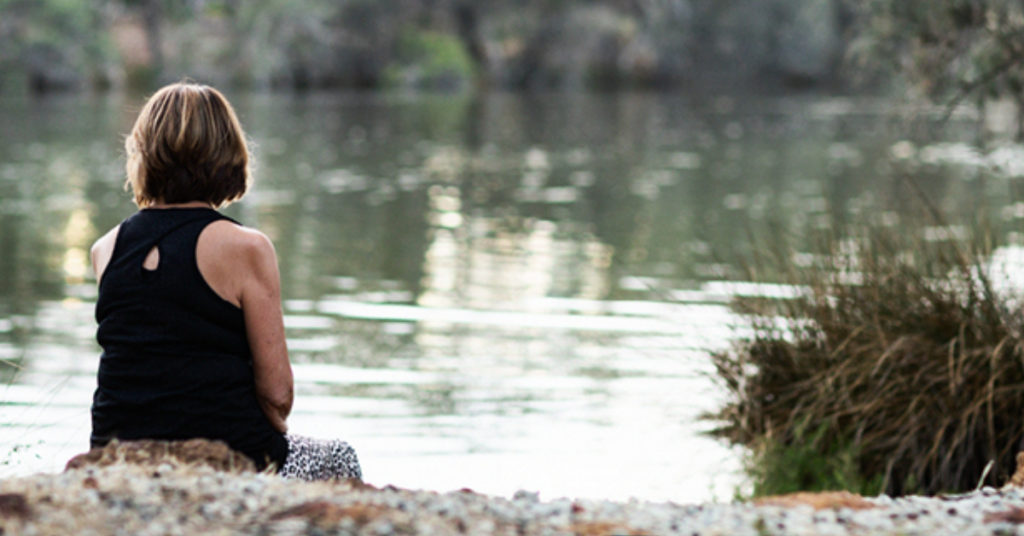
Bondi Beach
Photo Credit: Royal Life Saving

The recent rise in water accidents is linked to a gap in swimming skills caused by the pandemic. Amy Peden from Royal Life Saving Society Australia explained that lockdowns prevented a whole generation of children from attending regular swimming lessons. This lack of basic training has created a dangerous situation as more families return to the water. 

Additionally, the way people use the coast has changed. Many people now try to find remote or unmonitored spots to avoid crowds, which puts them far away from the help of professional lifesavers.

Challenges for New Residents
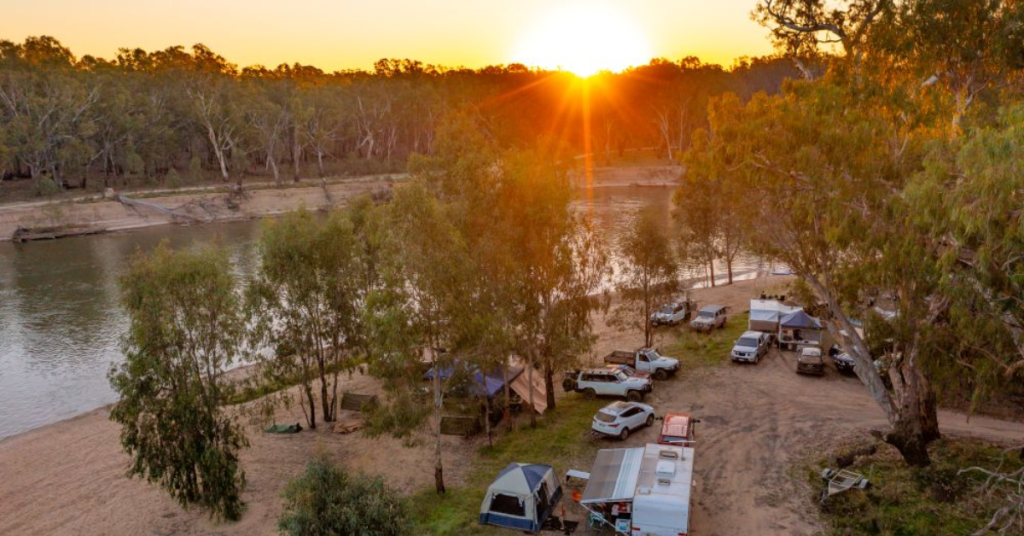
Bondi Beach
Photo Credit: Royal Life Saving

The raw power of the Australian ocean often catches newcomers off guard, especially those from countries without coastlines. Surf lifesavers have noticed that migrants and tourists may not understand how to read the water or manage the panic that sets in during a struggle. 

Groups from Nepal and South Korea have been identified as being at higher risk because they might be unfamiliar with local conditions like the “Backpackers’ Express” rip current at the southern end of Bondi. To help, surf clubs are running special programmes to teach newcomers how to stay safe and respect the strength of the surf.


Safety Through Community Action

Local authorities are worried that even though people hear safety warnings, they often do not think an accident will happen to them. Steve Pearce of Surf Lifesaving NSW described the recent loss of life as horrendous and urged everyone to be more cautious. Men make up the vast majority of drowning victims, often due to taking unnecessary risks or overestimating their swimming ability. 

Community leaders are now calling for everyone to look out for one another and stick to patrolled areas where lifeguards can see them. Simple choices, like staying between the red and yellow flags, remain the best way to ensure a day at the beach ends safely for every family.

Published Date 02-February-2026
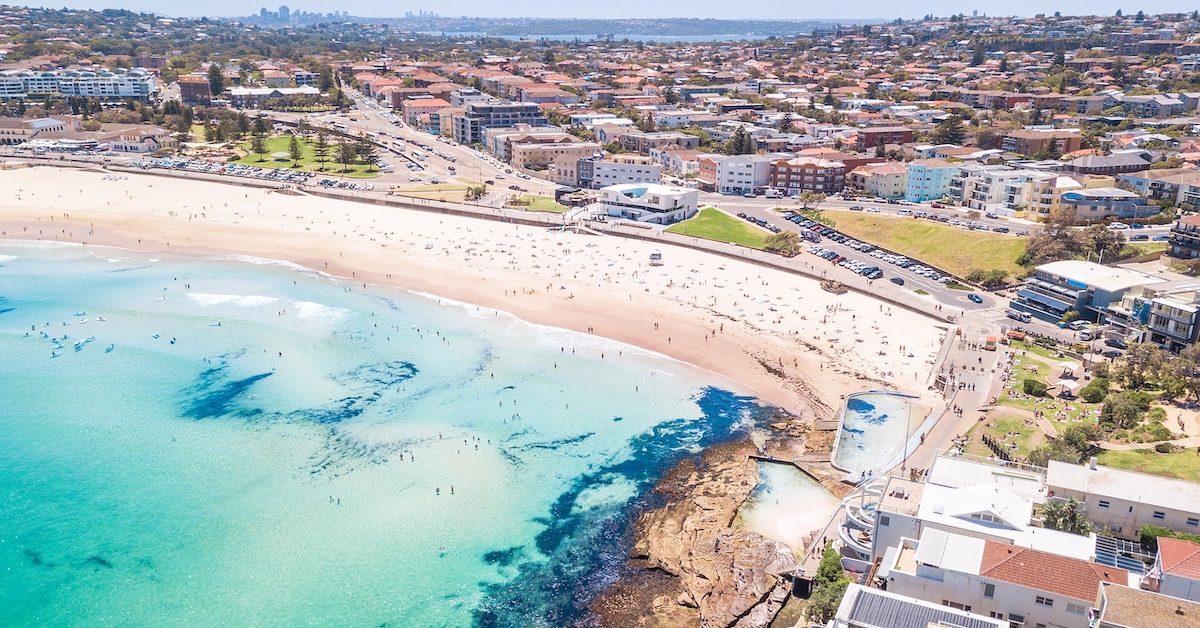
Research Drives Push For Clearer Safety Signs At Bondi Beach

Many visitors across Australia’s patrolled beaches misunderstand the red and yellow safety flags, a finding that has pushed an Australian lifeguard and researcher to call for clearer surf warnings as the summer season approaches.


Concern Over Flag Misinterpretation

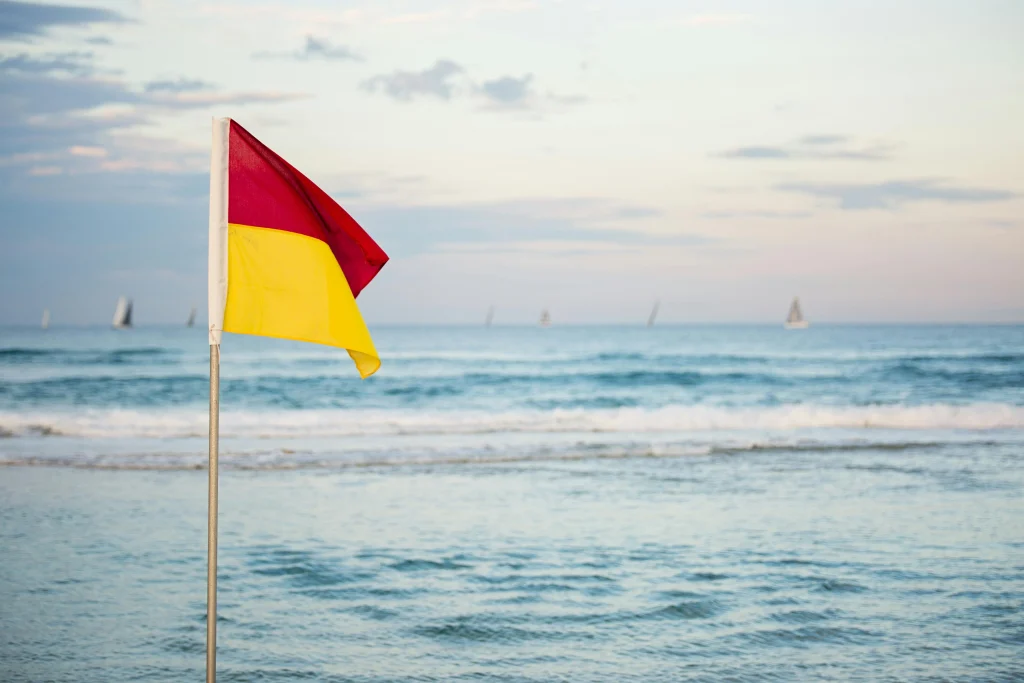
Studies released after mid 2024 showed many international students struggled to identify what the red and yellow patrol flags mean on Australian beaches. Research from Monash University found that many surveyed South Korean and Japanese students believed the red and yellow zone marked danger. 

Photo Credit: Nathan Cowley/Pexels

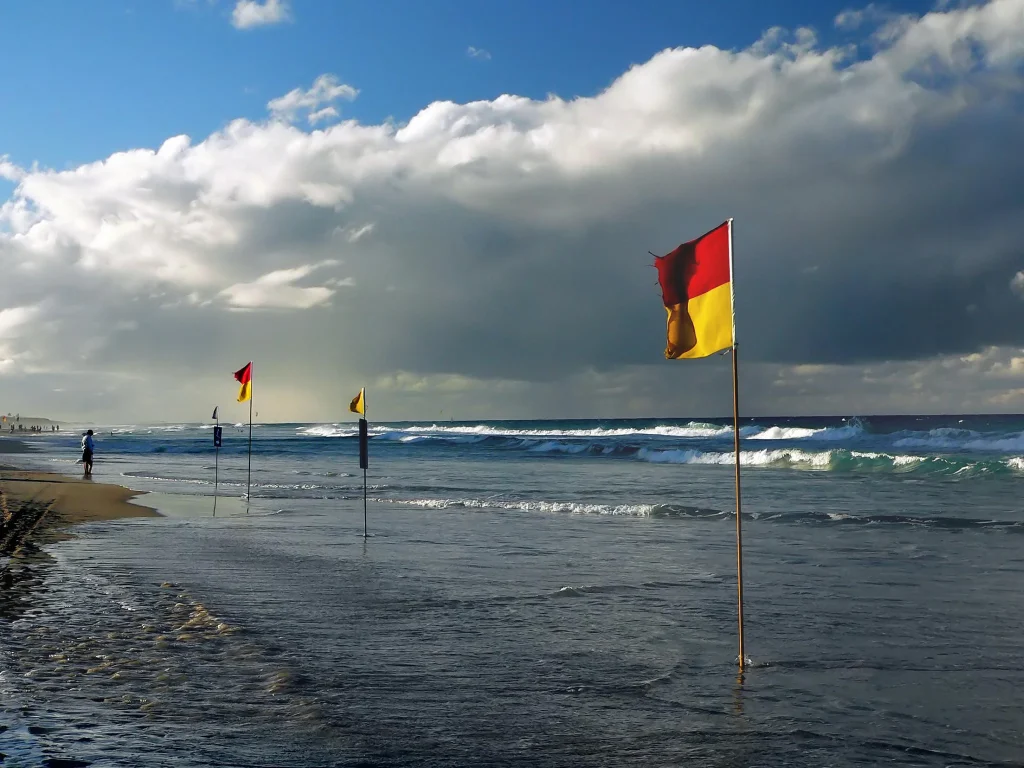
In Australia, these flags show the safest place to swim under lifeguard watch. The researcher behind the studies, Dr Masaki Shibata, works as a lifeguard in Sydney and said the confusion seen in the surveyed groups may also affect busy tourist locations such as Bondi Beach. He noted that many visitors linked the colour red with warning signals, which influenced how they judged beach safety.

Photo Credit: Mike Vlack/Facebook

Cultural Differences In Beach Signals

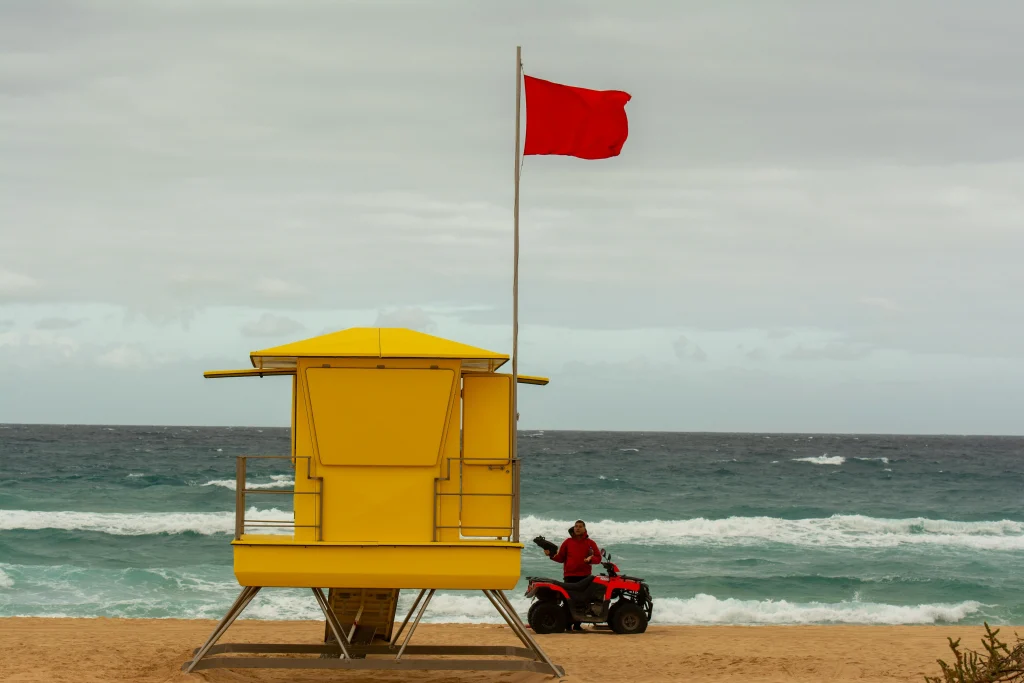
The studies found that visitors from regions with different flag systems often relied on the rules they learned at home. Many beaches in Europe and parts of Asia use green for safe conditions, yellow for caution and red for danger. This system differs from Australia’s use of red and yellow flags to mark the supervised swim zone. 

Photo Credit: volvob12b/Pexels

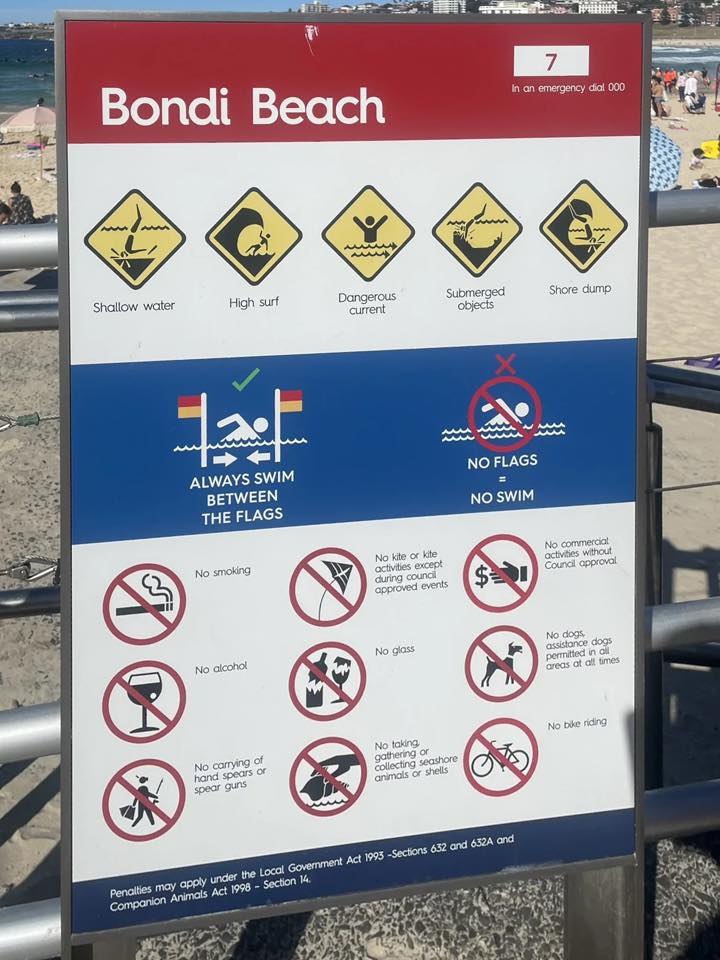
Researchers said this difference led to confusion when visitors tried to match overseas rules with local practice. They also observed that respondents understood simple icons better than detailed English phrases, which suggested that visual tools may help people find safe areas faster.

Translation Problems Add To Risk

The research highlighted how common beach terms were often misunderstood or mistranslated. Words such as rip currents and shore break produced inaccurate results in some online translation tools. In some cases, these terms shifted to meanings linked to relaxation or rubbish, which did not show the level of danger. 

These mistakes made it harder for visitors to understand surf conditions. The researcher stated that improving multilingual support and using clear pictograms would help visitors understand where lifeguards expect them to swim.

National Data Shows Ongoing Safety Gaps

The National Drowning Report for 2025 recorded 357 drowning deaths across Australia between July 2024 and June 2025. This number was higher than the 10 year average. The report showed that beaches were one of the most common places for fatal incidents and that rip currents remained a major danger along the coast. 


It also noted that people unfamiliar with local water conditions faced greater risk. These findings support calls for more public education to help communities, visitors and families stay safe at busy locations, stay safe at busy locations, including popular patrolled beaches such as Bondi Beach, during peak travel periods.

Published 20-November-2025