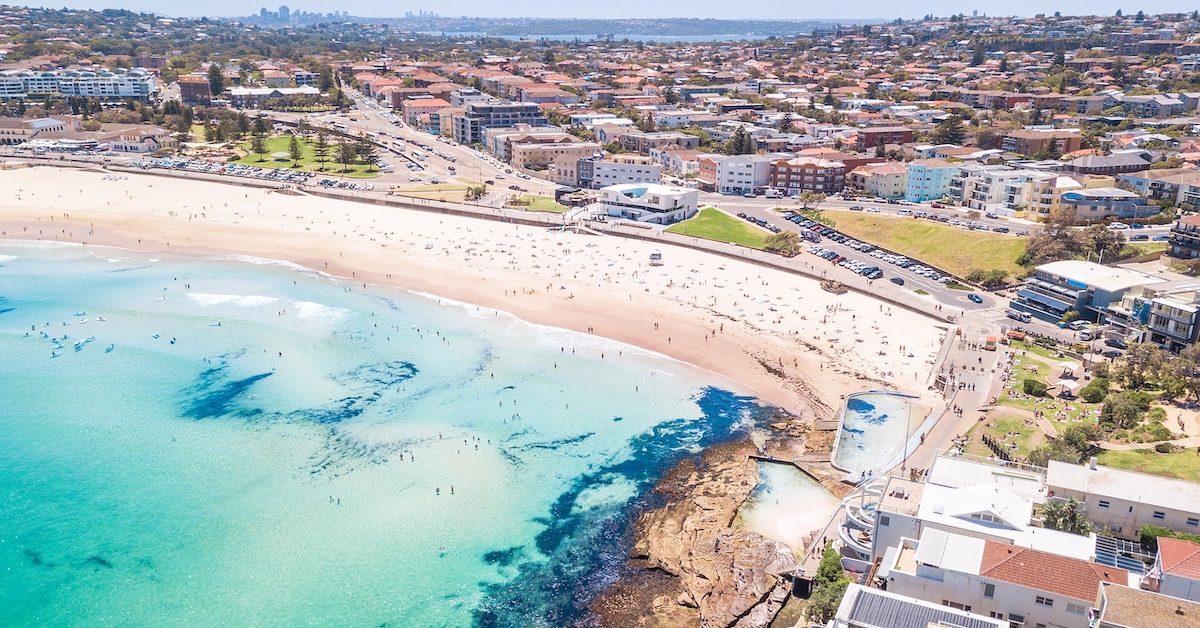
Many visitors across Australia’s patrolled beaches misunderstand the red and yellow safety flags, a finding that has pushed an Australian lifeguard and researcher to call for clearer surf warnings as the summer season approaches.
Concern Over Flag Misinterpretation
Studies released after mid 2024 showed many international students struggled to identify what the red and yellow patrol flags mean on Australian beaches. Research from Monash University found that many surveyed South Korean and Japanese students believed the red and yellow zone marked danger.
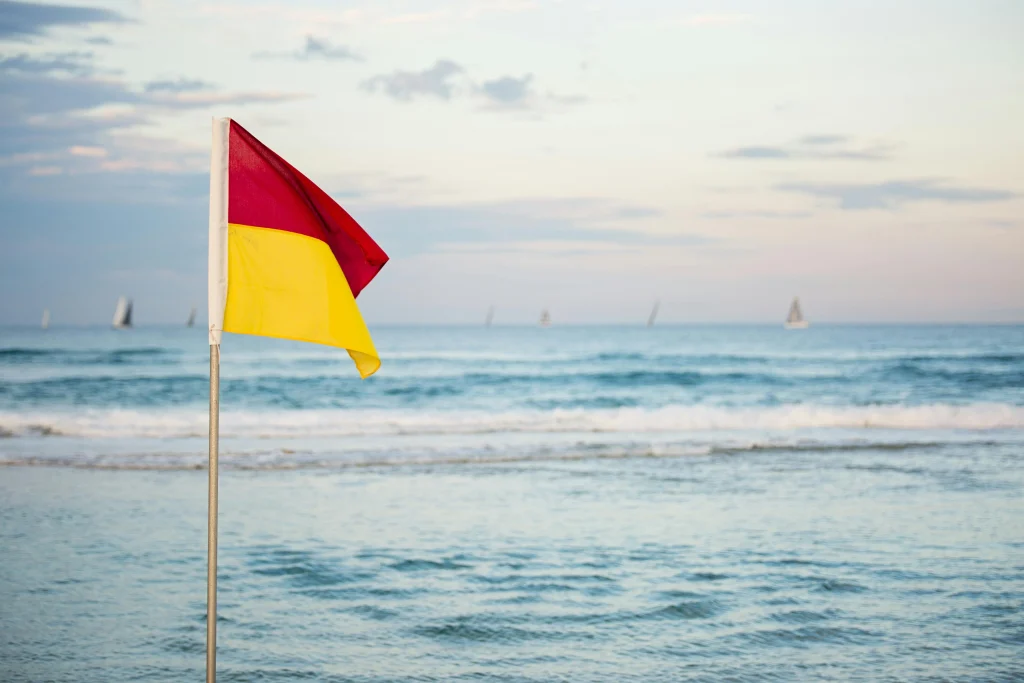
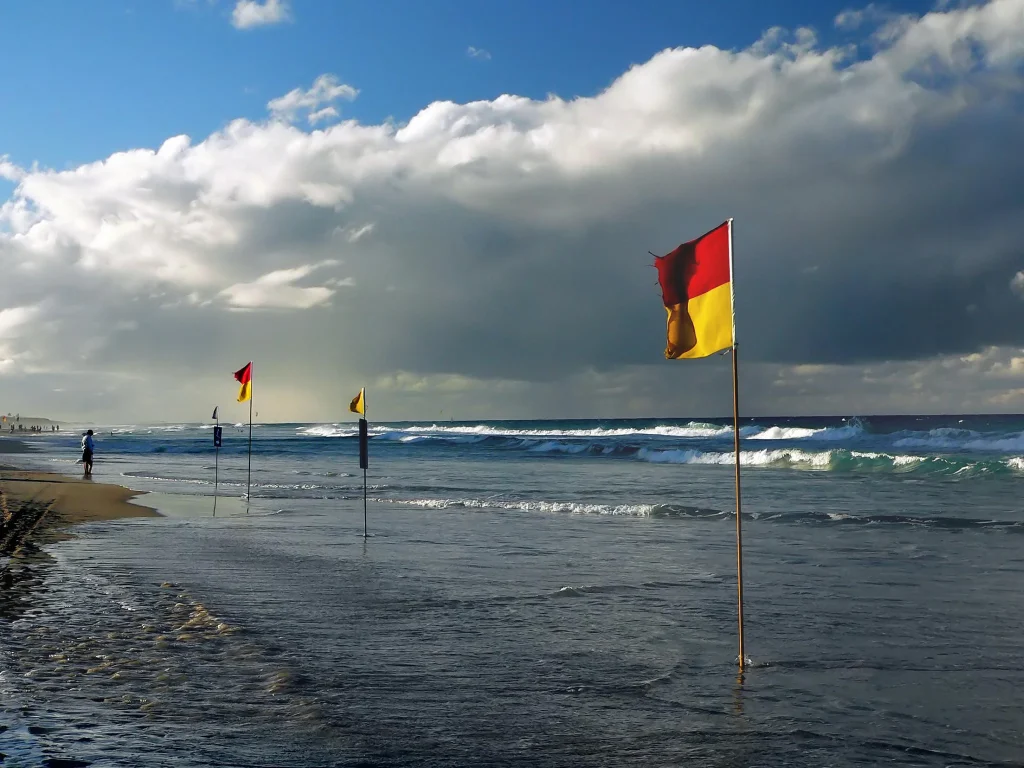
In Australia, these flags show the safest place to swim under lifeguard watch. The researcher behind the studies, Dr Masaki Shibata, works as a lifeguard in Sydney and said the confusion seen in the surveyed groups may also affect busy tourist locations such as Bondi Beach. He noted that many visitors linked the colour red with warning signals, which influenced how they judged beach safety.


Cultural Differences In Beach Signals
The studies found that visitors from regions with different flag systems often relied on the rules they learned at home. Many beaches in Europe and parts of Asia use green for safe conditions, yellow for caution and red for danger. This system differs from Australia’s use of red and yellow flags to mark the supervised swim zone.
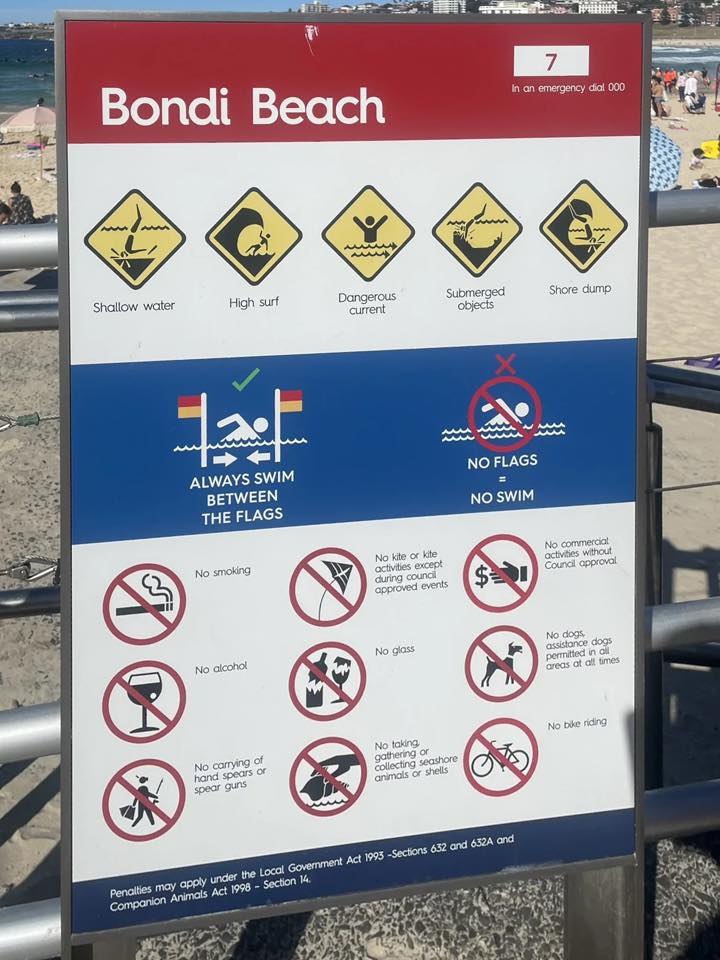
Researchers said this difference led to confusion when visitors tried to match overseas rules with local practice. They also observed that respondents understood simple icons better than detailed English phrases, which suggested that visual tools may help people find safe areas faster.
Translation Problems Add To Risk
The research highlighted how common beach terms were often misunderstood or mistranslated. Words such as rip currents and shore break produced inaccurate results in some online translation tools. In some cases, these terms shifted to meanings linked to relaxation or rubbish, which did not show the level of danger.
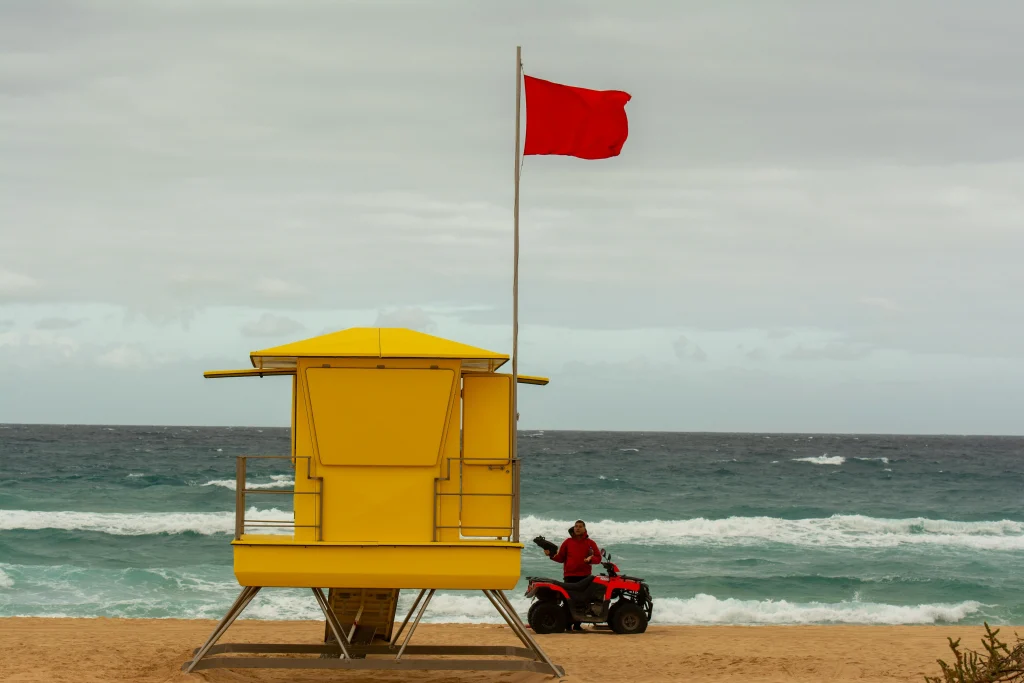
These mistakes made it harder for visitors to understand surf conditions. The researcher stated that improving multilingual support and using clear pictograms would help visitors understand where lifeguards expect them to swim.
National Data Shows Ongoing Safety Gaps
The National Drowning Report for 2025 recorded 357 drowning deaths across Australia between July 2024 and June 2025. This number was higher than the 10 year average. The report showed that beaches were one of the most common places for fatal incidents and that rip currents remained a major danger along the coast.
It also noted that people unfamiliar with local water conditions faced greater risk. These findings support calls for more public education to help communities, visitors and families stay safe at busy locations, stay safe at busy locations, including popular patrolled beaches such as Bondi Beach, during peak travel periods.
Published 20-November-2025